How Weather Exposure Affects Brick and Stone Flatwork Surfaces
Local contractors specializing in brick and stone flatwork repair can help address damage caused by weather exposure, restoring surface durability and appearance effectively.
Understanding how weather exposure affects brick and stone flatwork surfaces is essential for property owners who want to maintain the durability and appearance of their outdoor features. Over time, elements like rain, snow, freeze-thaw cycles, and temperature fluctuations can cause cracks, spalling, and shifting in these surfaces, leading to costly repairs if left unaddressed. Property owners in the area who notice signs of wear or are planning outdoor improvements may find it helpful to explore how weather patterns influence the longevity of brick and stone flatwork, ensuring their investments remain resilient and visually appealing.
Local contractors specializing in brick and stone flatwork repair are equipped to assess weather-related damage and recommend appropriate solutions to prevent further deterioration. Whether dealing with existing issues or seeking proactive maintenance, property owners can benefit from expert guidance tailored to the specific climate factors that impact their outdoor surfaces. Continuing to read can provide valuable insights into how weather exposure influences brick and stone flatwork, and how skilled service providers can help preserve and restore these important features for years to come.
- Brick and Stone Flatwork Repair - homeowners noticing cracks or deterioration due to freeze-thaw cycles often seek this service, and local contractors assess and restore the surfaces accordingly.
- Brick and Stone Flatwork Repair - when water penetration causes mortar joints to weaken, local pros can perform tuckpointing and sealing to prevent further damage.
- Brick and Stone Flatwork Repair - surfaces showing signs of spalling or surface flaking from prolonged moisture exposure may require specialized repair from local service providers.
- Brick and Stone Flatwork Repair - after harsh weather events create uneven or sunken areas, local contractors can level and reinforce flatwork to restore stability.
- Brick and Stone Flatwork Repair - when efflorescence appears from salt deposits due to moisture intrusion, local pros can clean and apply protective treatments to reduce future issues.
Understanding how weather exposure affects brick and stone flatwork surfaces is a common concern among homeowners planning outdoor improvements or repairs. When people search for this topic, they are often interested in learning how environmental factors like rain, snow, ice, and temperature fluctuations can impact the durability and appearance of their paved surfaces. Many seek guidance on why cracks, spalling, or uneven settling occur over time, and how weather conditions contribute to these issues. This knowledge helps homeowners make informed decisions about maintenance, repairs, or new installations, ensuring their outdoor spaces remain safe and visually appealing.
Problems related to weather exposure on brick and stone flatwork are typically connected to the materials’ response to moisture and temperature changes. For example, water infiltration can lead to freeze-thaw cycles that cause cracking or shifting in the surface. Excess moisture can weaken the mortar joints or cause stones and bricks to loosen or break apart. Additionally, prolonged exposure to moisture combined with freeze-thaw cycles may accelerate deterioration, resulting in uneven surfaces or sinking areas. Homeowners often plan repairs or resurfacing projects to address these issues, seeking the expertise of local contractors who specialize in brick and stone flatwork repair to restore stability and appearance.
The types of properties most commonly associated with weather-related flatwork problems include residential homes with driveways, patios, walkways, and steps. Commercial properties such as storefronts, parking lots, and outdoor seating areas also frequently encounter weather-induced damage. These surfaces are directly exposed to the elements, making them vulnerable to the effects of moisture, temperature swings, and even snow and ice removal practices. Homeowners and property managers often look for local service providers who can evaluate existing flatwork, identify weather-related vulnerabilities, and perform repairs to prevent further damage or to prepare surfaces for seasonal changes.
For those considering new brick or stone flatwork installations or repairs, understanding how weather exposure affects these surfaces is essential. Local pros can assess the specific conditions of a property and recommend appropriate materials and installation techniques to withstand environmental stresses. They can also perform repairs that reinforce existing surfaces against future weather-related damage, helping extend the lifespan of the flatwork. By working with experienced local contractors, property owners can ensure their outdoor surfaces are better equipped to handle the challenges posed by weather, maintaining both safety and aesthetic appeal over time.
Paving and Walkway Installation - Professionals experienced in installing new brick or stone surfaces understand the importance of planning for weather exposure to ensure longevity and durability.
Concrete Repair and Restoration - Similar skills are required for addressing cracks and damage caused by weather-related stress on flatwork surfaces made of brick or stone.
Waterproofing and Sealant Application - Local contractors who specialize in waterproofing help protect brick and stone flatwork from moisture infiltration that weather exposure can cause.
Surface Cleaning and Restoration - Cleaning techniques for brick and stone surfaces often involve considerations of weather effects that can impact material integrity over time.
Drainage System Installation - Proper drainage planning by service providers helps mitigate weather-related damage to flatwork surfaces by directing water away effectively.
Landscape Design and Hardscaping - Designing outdoor spaces with weather exposure in mind involves selecting appropriate materials and planning for durability in brick and stone flatwork.
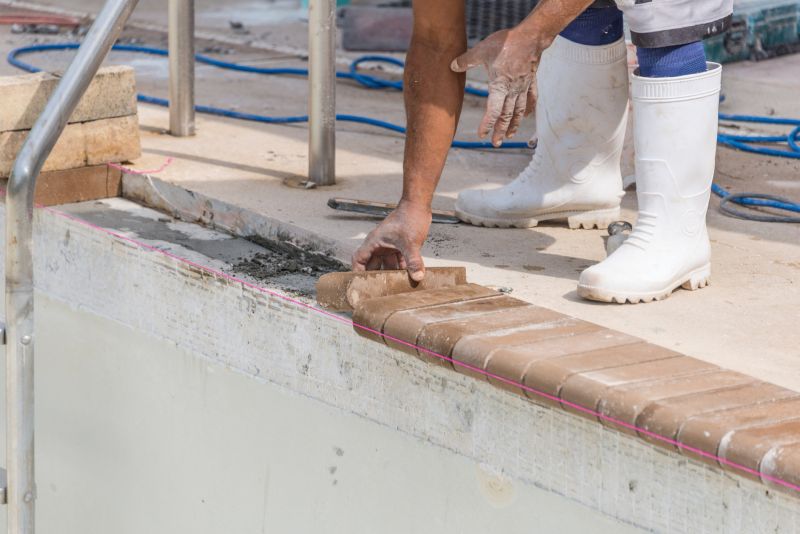
When evaluating contractors for brick and stone flatwork repair, it’s important to consider their experience with similar projects, especially those involving weather-related challenges. A contractor’s familiarity with how weather exposure affects brick and stone surfaces can influence the quality and longevity of repairs. Homeowners should inquire about previous work completed in environments with similar weather conditions to ensure the service provider understands the specific issues that can arise, such as cracking, spalling, or mortar deterioration caused by freeze-thaw cycles, moisture intrusion, or temperature fluctuations.
Clear, written expectations are essential when comparing local contractors for flatwork repair services. A reputable service provider should be able to outline the scope of work, materials to be used, and the steps involved in addressing weather-related damage. Having detailed expectations documented helps prevent misunderstandings and provides a basis for evaluating the quality of the proposed repair plan. Homeowners are encouraged to seek references that can verify the contractor’s ability to deliver consistent results on similar projects, especially those impacted by weather exposure, to ensure the work will be durable and effective.
Effective communication is a key factor in selecting the right local contractor for brick and stone flatwork repair. A contractor who clearly explains their approach, answers questions thoroughly, and discusses potential weather-related issues demonstrates professionalism and a commitment to transparency. Good communication helps homeowners understand the repair process, anticipate challenges related to weather exposure, and make informed decisions. When comparing service providers, it’s beneficial to gather feedback from previous clients or references to assess how well the contractor communicates and manages weather-related concerns during the repair process.
Property owners often search for how weather exposure affects brick and stone flatwork surfaces when they are planning practical projects around their homes and businesses. Local pros provide Brick and Stone Flatwork Repair services for everyday jobs and straightforward project options.
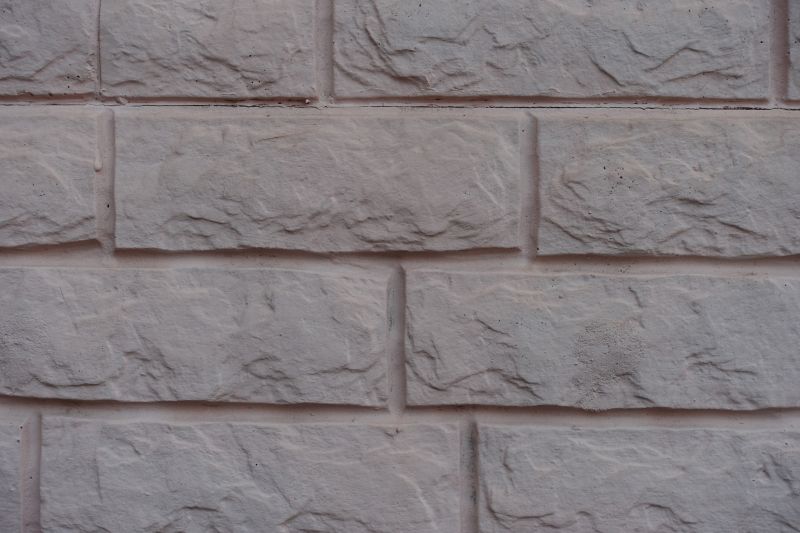
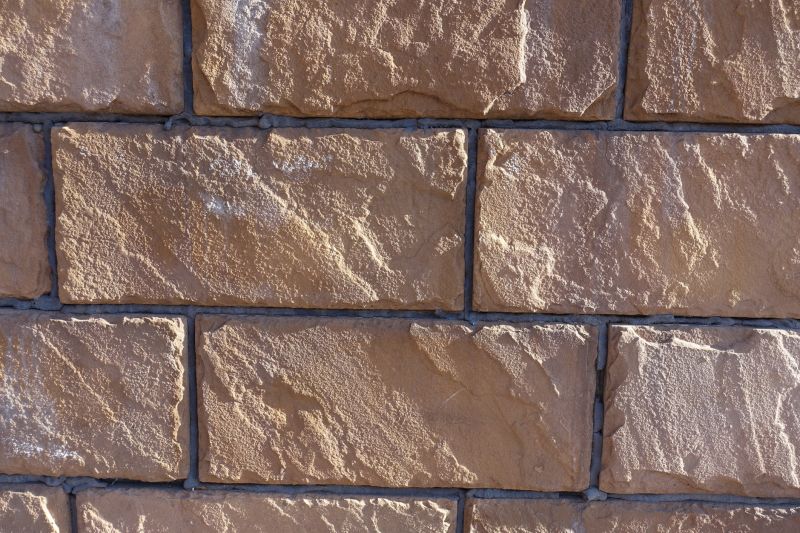
Weather exposure can significantly impact brick and stone flatwork surfaces, especially in areas with fluctuating temperatures and seasonal changes. Over time, freeze-thaw cycles can cause cracks and surface deterioration, while moisture absorption can lead to efflorescence or weakening of the material. Property owners noticing uneven surfaces, cracking, or surface chipping may want to explore repair options to maintain the integrity and appearance of their flatwork. Local contractors experienced in handling weather-related damage can assess the extent of the issues and recommend appropriate repair solutions to prevent further deterioration.
Understanding how weather exposure affects brick and stone flatwork surfaces helps property owners make informed decisions about maintenance and repairs. Regular inspections by local service providers can identify early signs of damage caused by moisture, temperature shifts, or other weather-related factors. Repair specialists can address issues such as cracked joints, surface erosion, or structural instability, helping to extend the lifespan of the flatwork. Connecting with local contractors who have expertise in weather-related repairs can ensure that the flatwork remains safe, functional, and visually appealing despite ongoing weather challenges.
How does weather exposure impact brick and stone flatwork surfaces? Weather exposure can lead to cracking, spalling, and deterioration of brick and stone flatwork surfaces over time, especially with freeze-thaw cycles and moisture infiltration.
What signs indicate weather-related damage on brick and stone flatwork? Visible cracks, uneven surfaces, efflorescence, and loose or crumbling mortar are common signs of damage caused by weather exposure.
How can local contractors help repair weather-related damage on flatwork surfaces? Local service providers can assess the extent of weather damage and perform repairs such as re-mortaring, sealing, and surface restoration to prevent further deterioration.
Are there preventative measures to reduce weather damage on brick and stone flatwork? Applying sealants, ensuring proper drainage, and regular maintenance can help minimize weather-related effects on brick and stone surfaces.
Why should property owners consider professional repair for weather damage on flatwork surfaces? Professional repairs ensure that damage is properly addressed, restoring the surface’s integrity and preventing more costly issues in the future.
Assessing weather impact - property owners can evaluate how seasonal changes may cause cracks or surface wear on brick and stone flatwork surfaces, prompting timely repairs with local contractors.
Choosing weather-resistant materials - selecting durable materials suited for climate conditions can help prevent damage, and local service providers can recommend the best options for long-term resilience.
Implementing protective measures - applying sealants or installing barriers can minimize weather-related deterioration, with local pros providing expert application and advice.
Scheduling regular inspections - periodic assessments by local contractors can identify early signs of weather damage, ensuring prompt repairs to maintain surface integrity.
If you are thinking about how weather exposure affects brick and stone flatwork surfaces for a property, this guide is meant to help you understand this topic, the typical project types, and how different options might fit your plans.
When you are ready, you can use the quote form on this page to share a few details about your project. From there, local pros can review the basics and follow up with options that match what you have in mind.